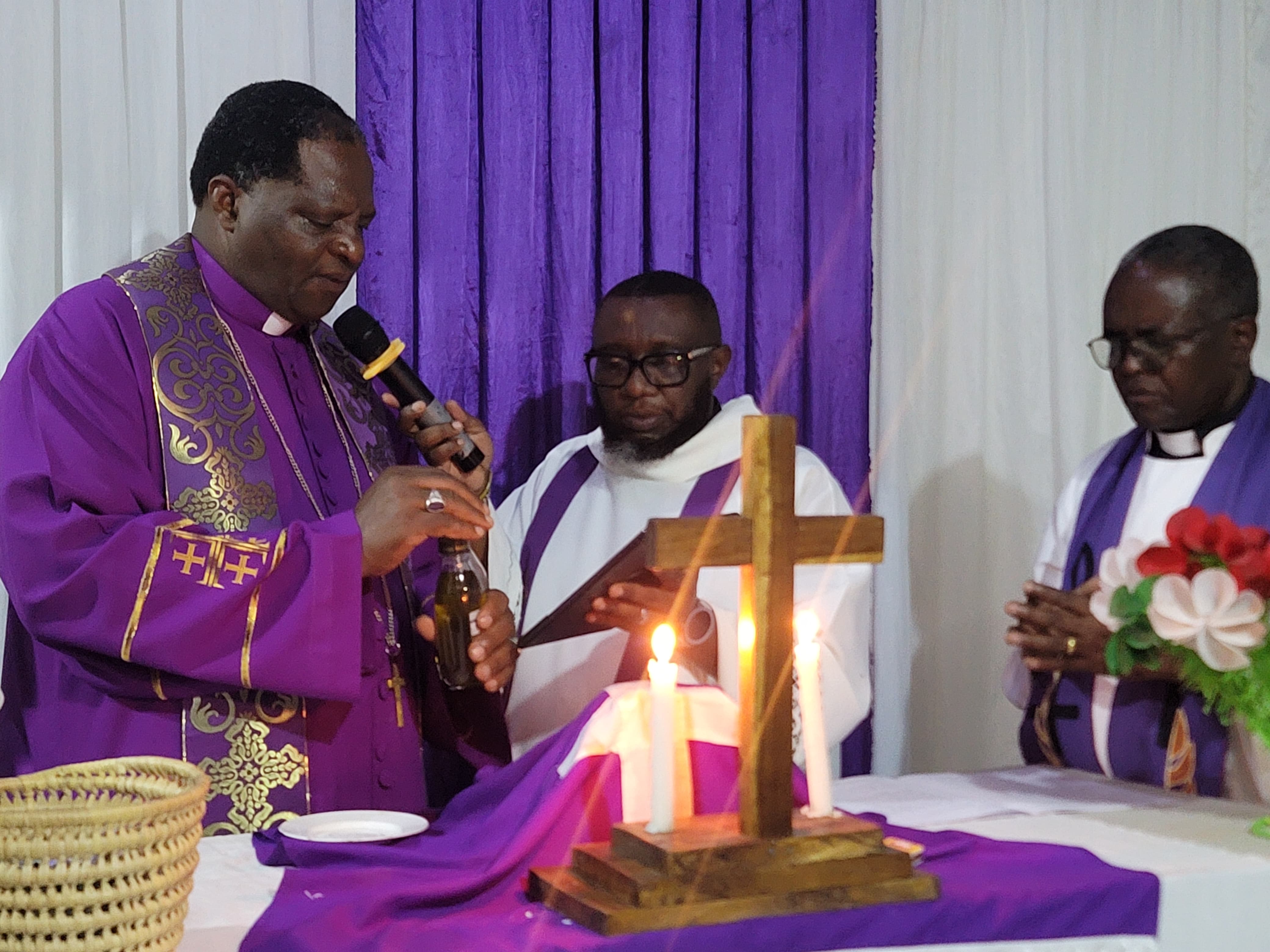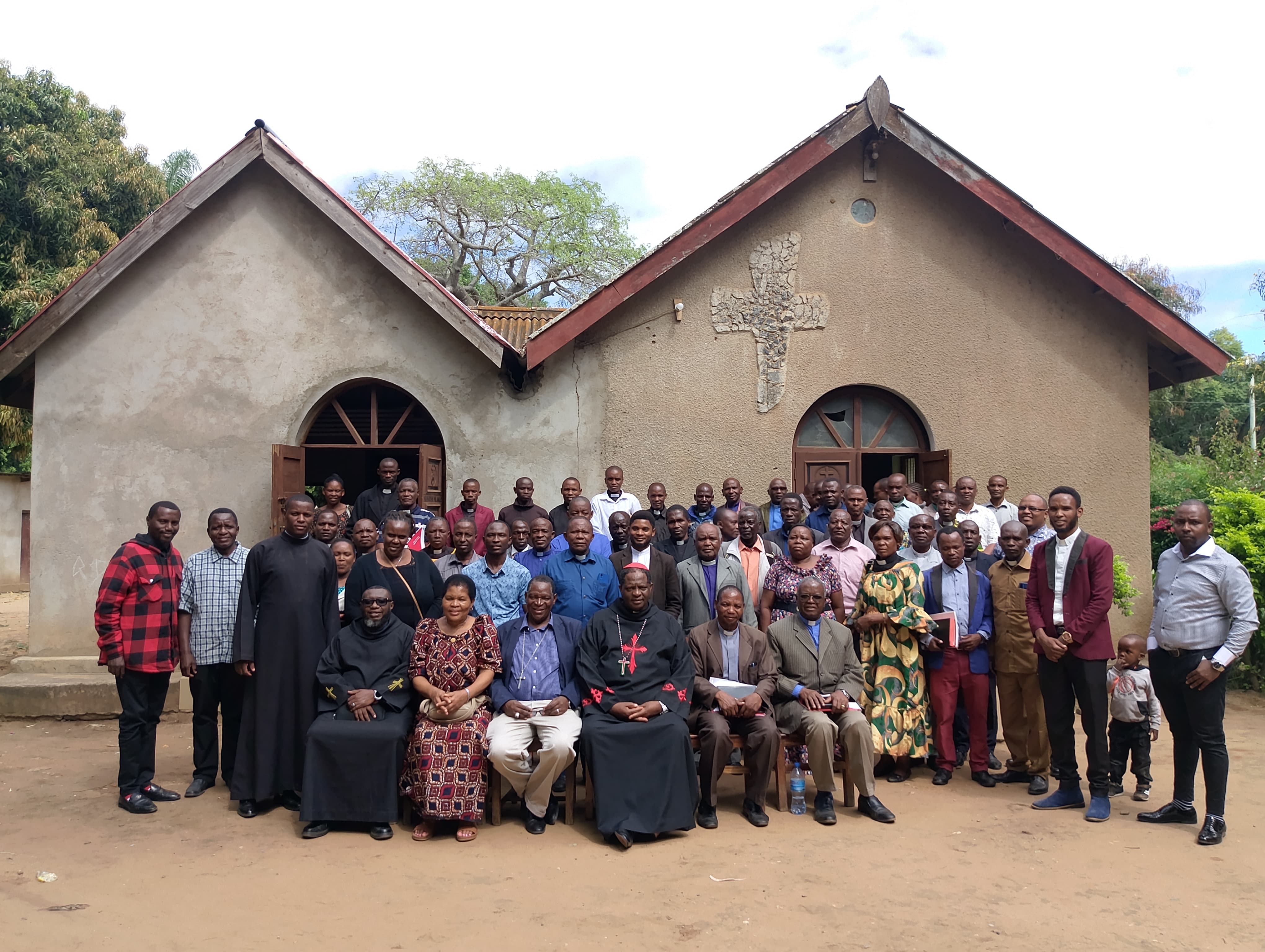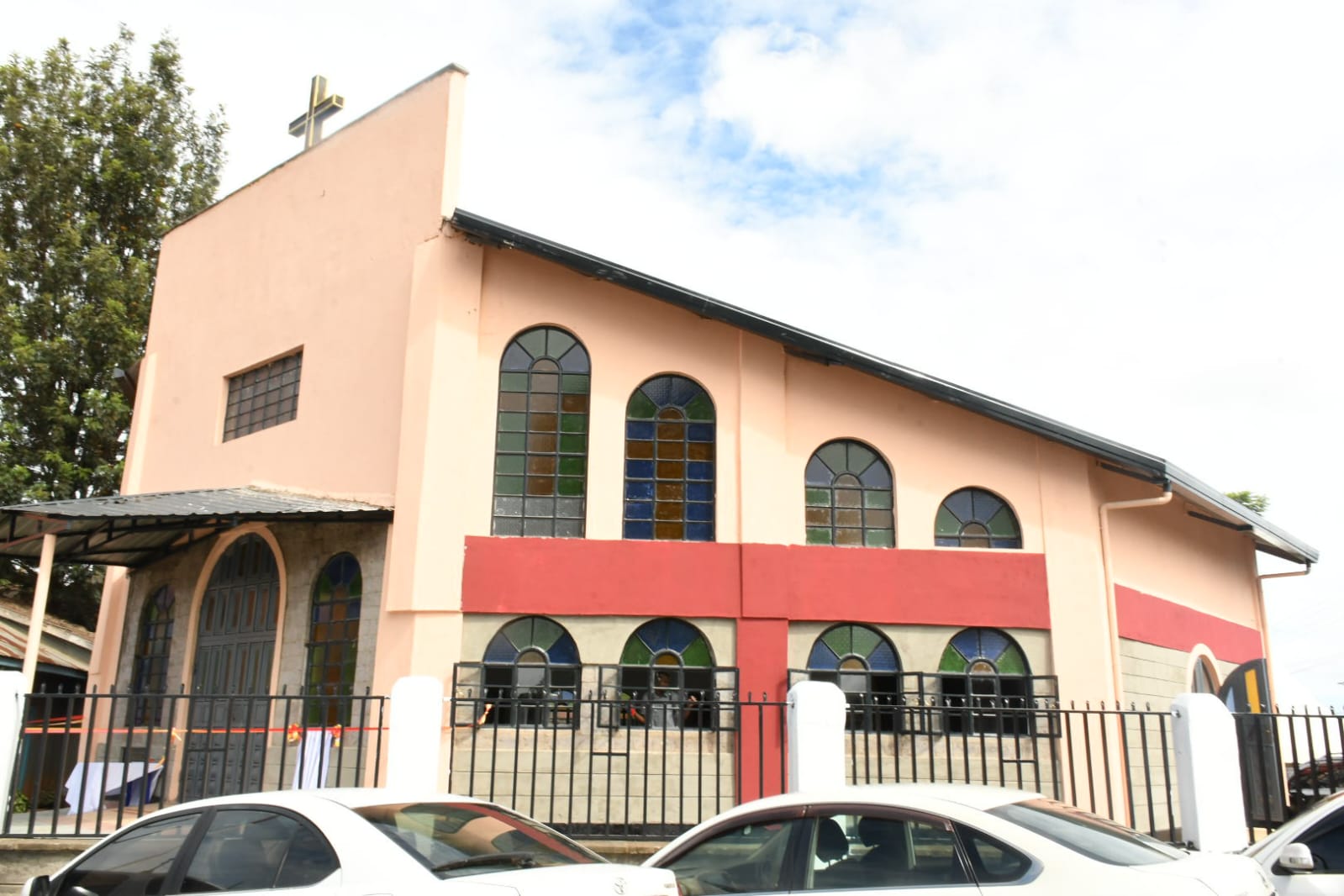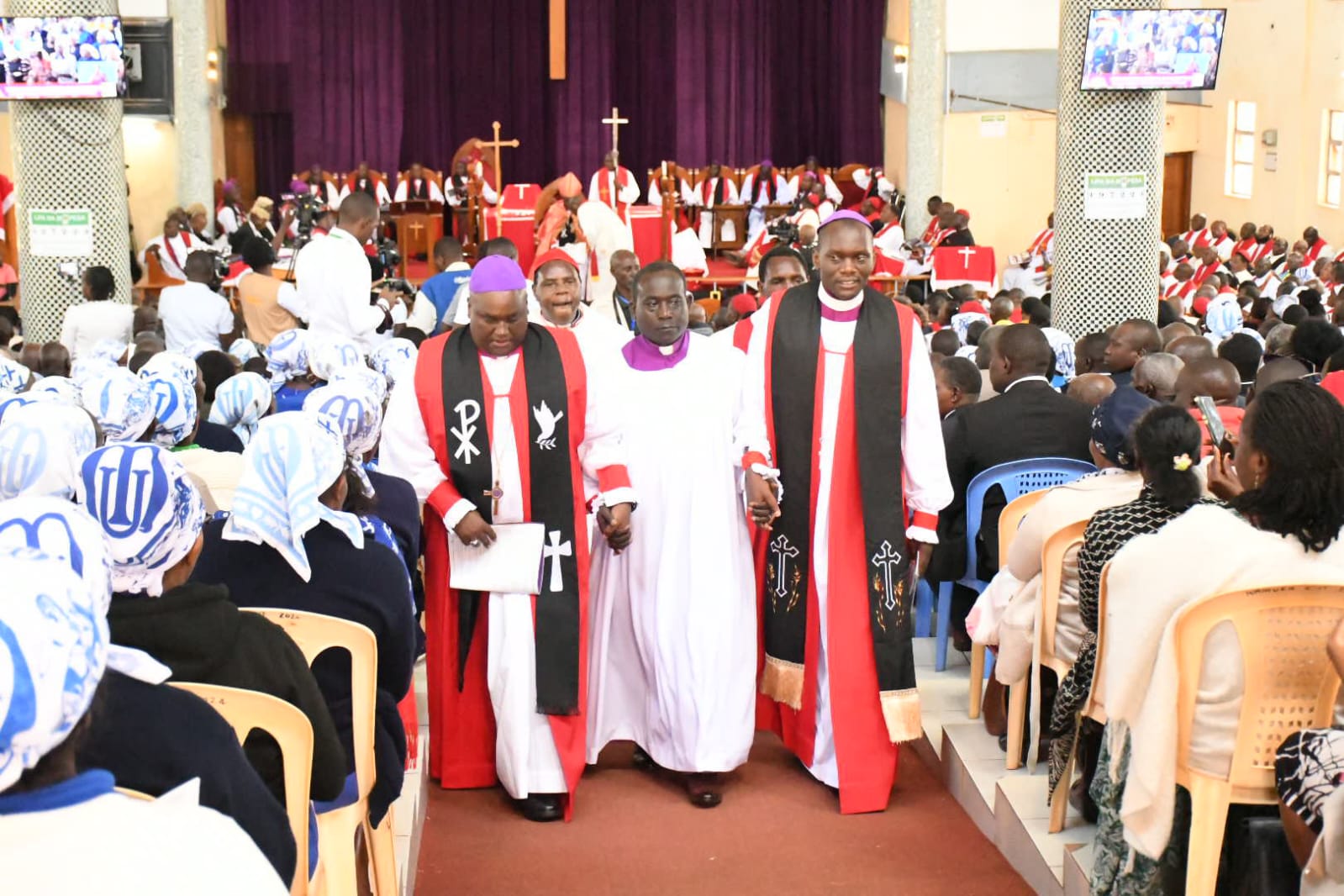
The Genesis of the Anglican Church in Ndenderu could be traced to 1910.
This is when Canon Harry Leakey (Giteru) and Reverend Joseph Magu came to
Nguiriria (present day Ndenderu) Kwa Munyinyi wa Igogo and requested him to
allocate them a plot to build a church.
However, Munyinyi Igogo
declined and the duo moved
to Karura area and placed their request before Mzee Koibita
but again their bid was unsuccessful. They however pitched up a tent at his
compound, where they prayed and worshipped as they awaited for instruction from
their superiors.
Never to give up and determined to accomplish their mission, the duo put
up a structure known as Gitayaya (a temporary hut) on the farm of a colonial
settler Mr. Knight on the border of Redhill (Colonial settlement) and Kianjogu
(African Reserve). From there, church services were held together
with reading and writing classes.
This were led by the late Jonathan Nguyai and the
late Jeremiah Njuria. Very many people were attracted and say in earnest that
the seed of Christianity, and indeed Anglicanism was planted in this area.
Around 1918 the idea of Building a church was mooted and the late George
Kirongothi Ndegwa offered a plot for that purpose.
This pioneer church
underwent serious challenges especially during the first and the
second world wars and the struggle for independence. (The Mau-Mau war of
liberation.)
In 1958 when land consolidation was done, the church was allocated its own land at the site where the present day St. John’s A.C.K Karura is situated.
It was around this time that some elders from Ndenderu area led by the Late
Morris Kinyanjui Ndenderu thought it wise to make it easier for the
congregation from Ndenderu to worship nearer
home. It was better to have their own church.
These gallant elders
who persistently agitated
for a church of their own included Charles Kariithi Muthuma, Henry
Kariuki Ndenderu, John Igogo Munyinyi, Erastus Mbugua Muthuma, David Igogo
Munyinyi, Samuel Boro Ndenderu and Evans Matheri Mweha.
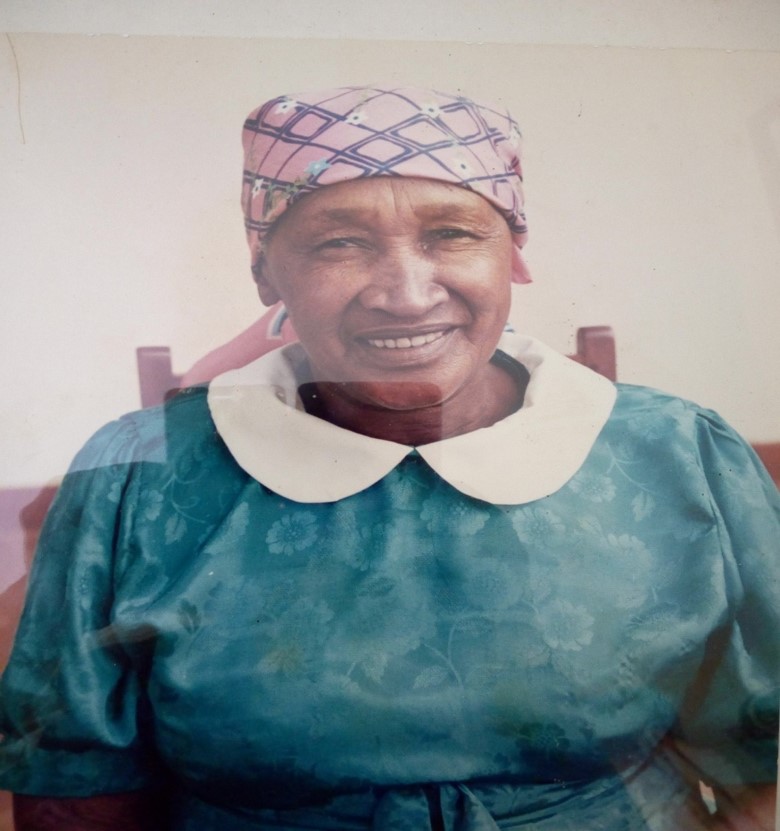
Mrs. Sarah Muthoni Ndara a young bride and a teacher at Karura Primary
School, vividly recalls
the differing opinions, some heated, on need or lack thereof of an additional church in
Ndenderu, considering the ‘short’ distances between Ndenderu and Karura. “Some of members
of the committee did not see the need of an additional church and opposed
the idea passionately.” But the elders wanted a church nearer the people to
attract even those who normally did not attend service. Eventually the elders
were able to successfully argue their case before the late Bishop Obadiah
Kariuki and he agreed with them.
At that time, the building
of a new church structure
was ongoing in Karura and when
it was agreed that a church be founded in Ndenderu, the iron sheets
from the old Karura
church, were brought
to Ndenderu to put up the
pioneer church building (The Mabati
Church).
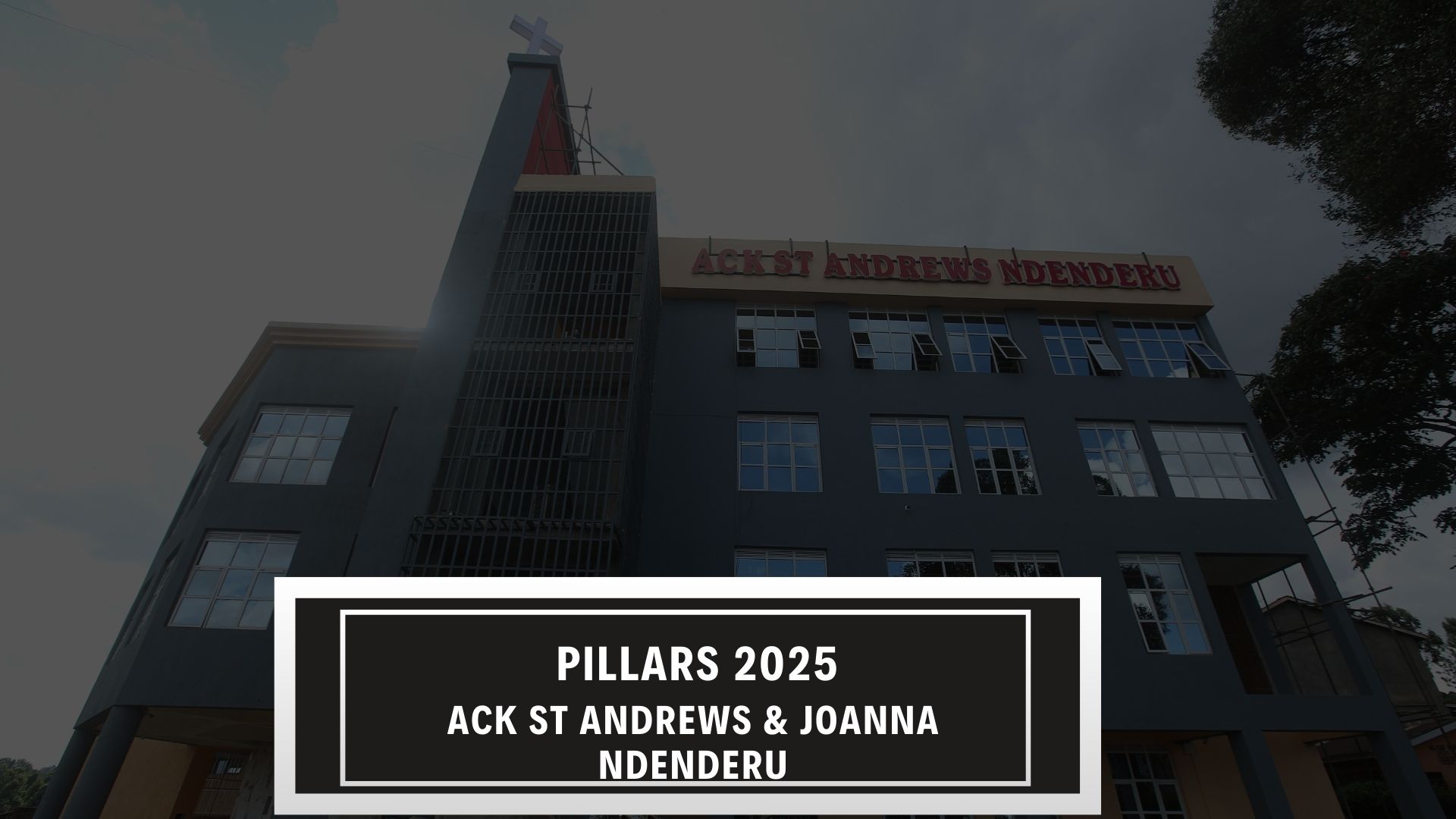
Just like a seed, A.C.K. St. Andrew's Ndenderu began small, nestled
within the larger A.C.K. St. John's Karura
on that December
afternoon in 1961.
Thirty souls gathered, the
offering a mere whisper at Ksh. 5/70. Yet, within that gathering lay the promise of growth, a potential echoed in the
scripture: "Your beginnings will seem humble, so prosperous will your
future be." (Job 8:7).
The first shoots of faith emerged under the leadership of the late Morris Kinyanjui
Ndenderu and the late Charles Kariithi Muthuma. They nurtured the
fledgling congregation, drawing in new members with each passing season.
The first elected council
that served under the late Rev. Andrew
Macua included:
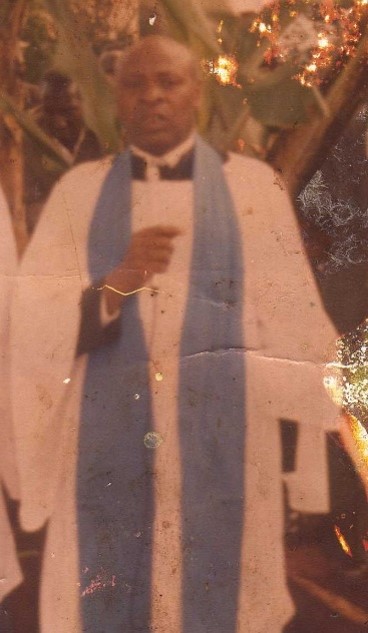
The Late Morris Kinyanjui Ndenderu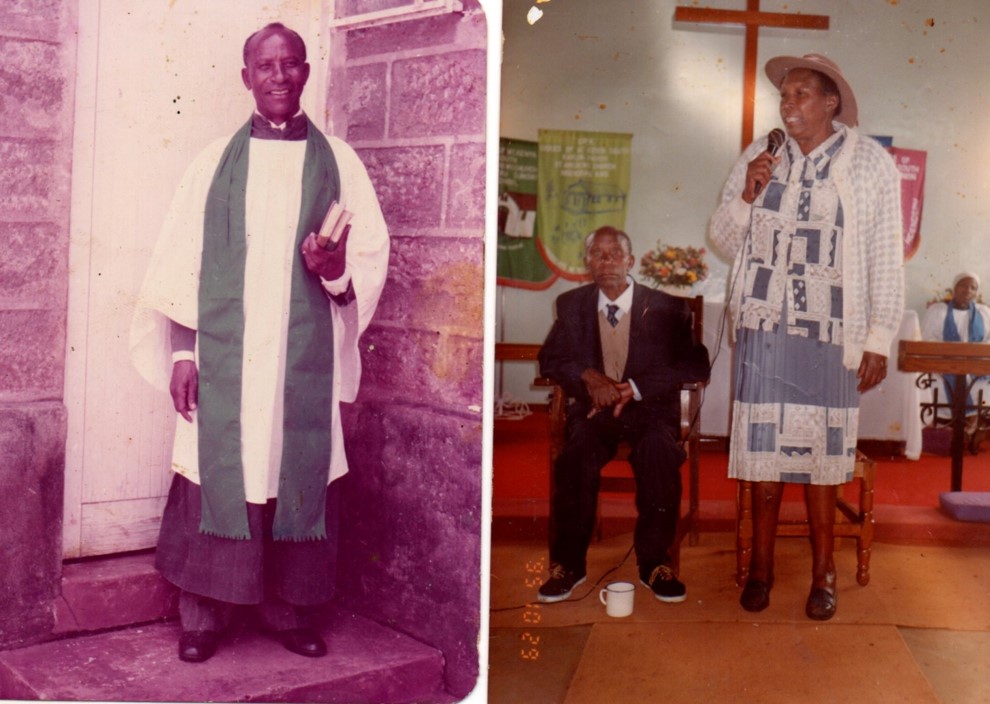
Charles Kariithi Muthuma
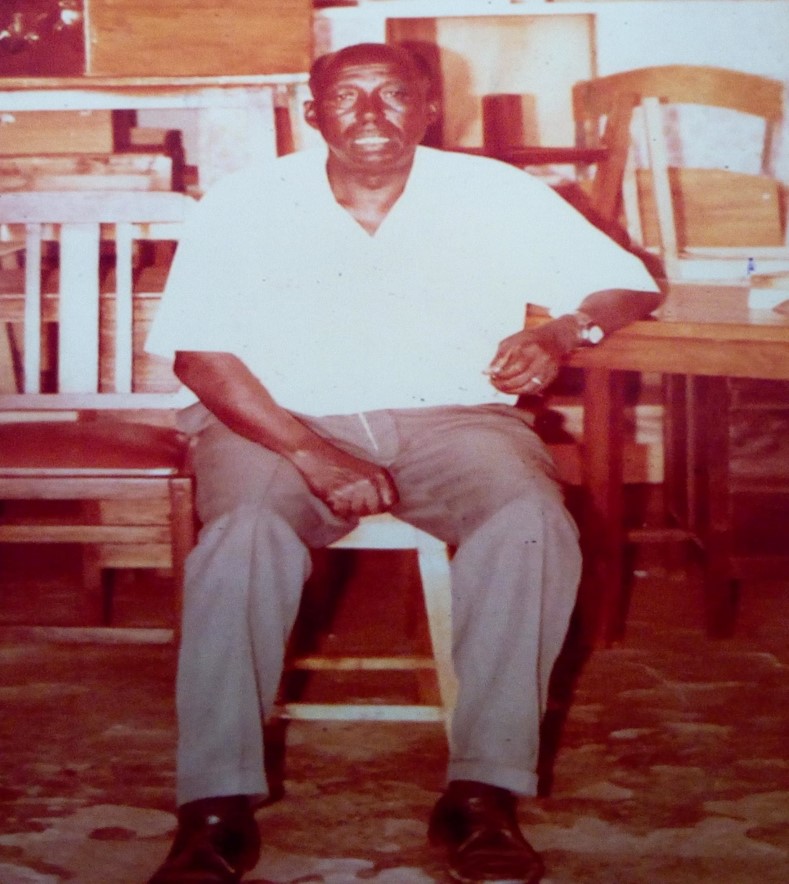
John Igogo Munyinyi
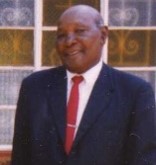
Henry Kariuki Ndenderu
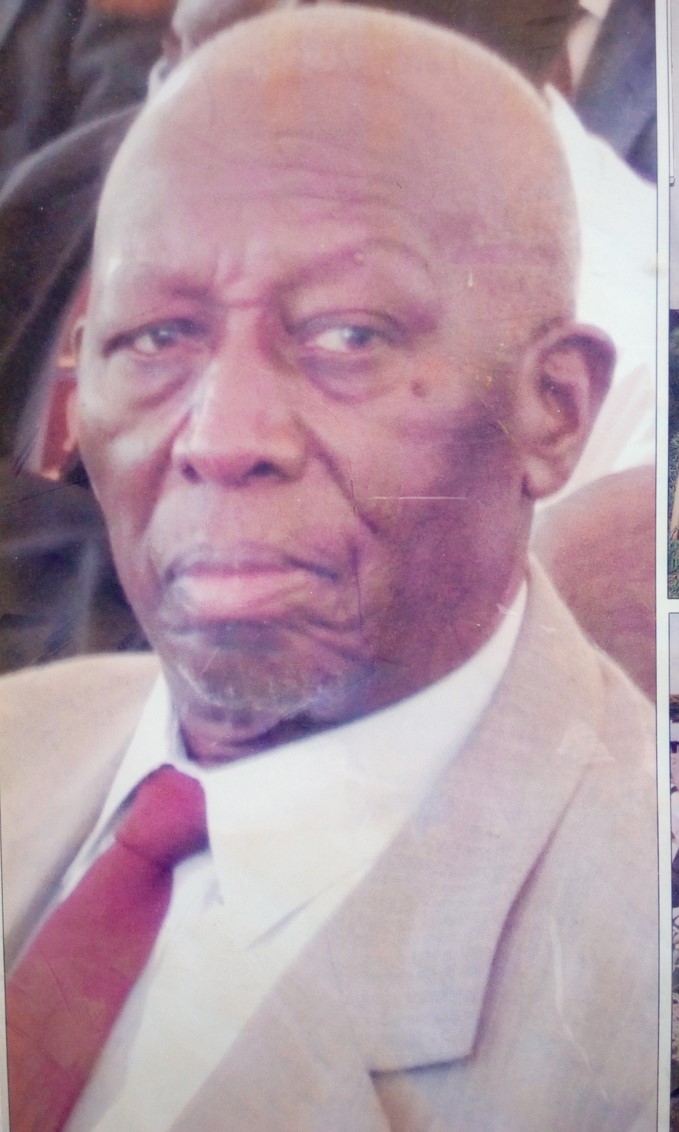
David Igogo Munyinyi
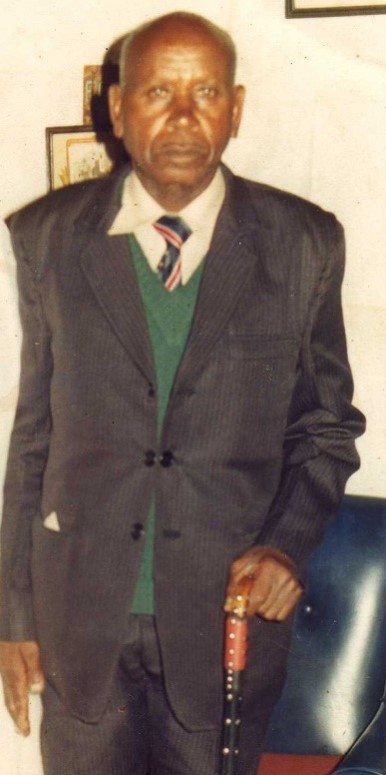
Erastus Mbugua Muthuma
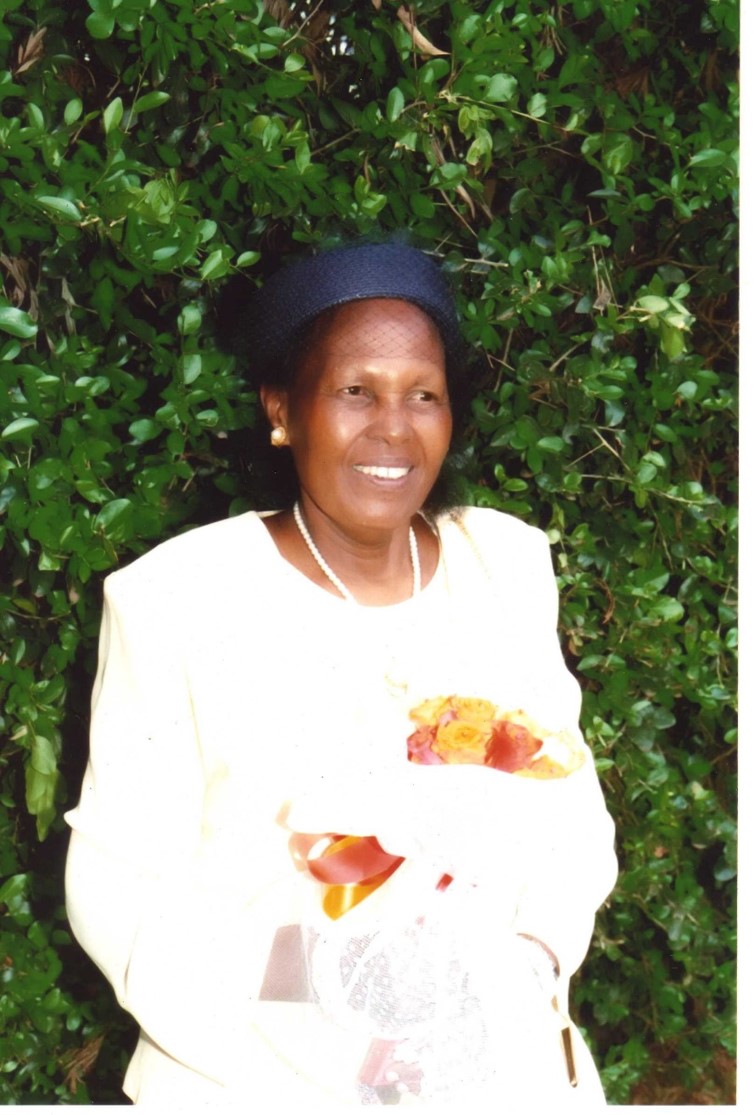
Sarah Muthoni Ndara
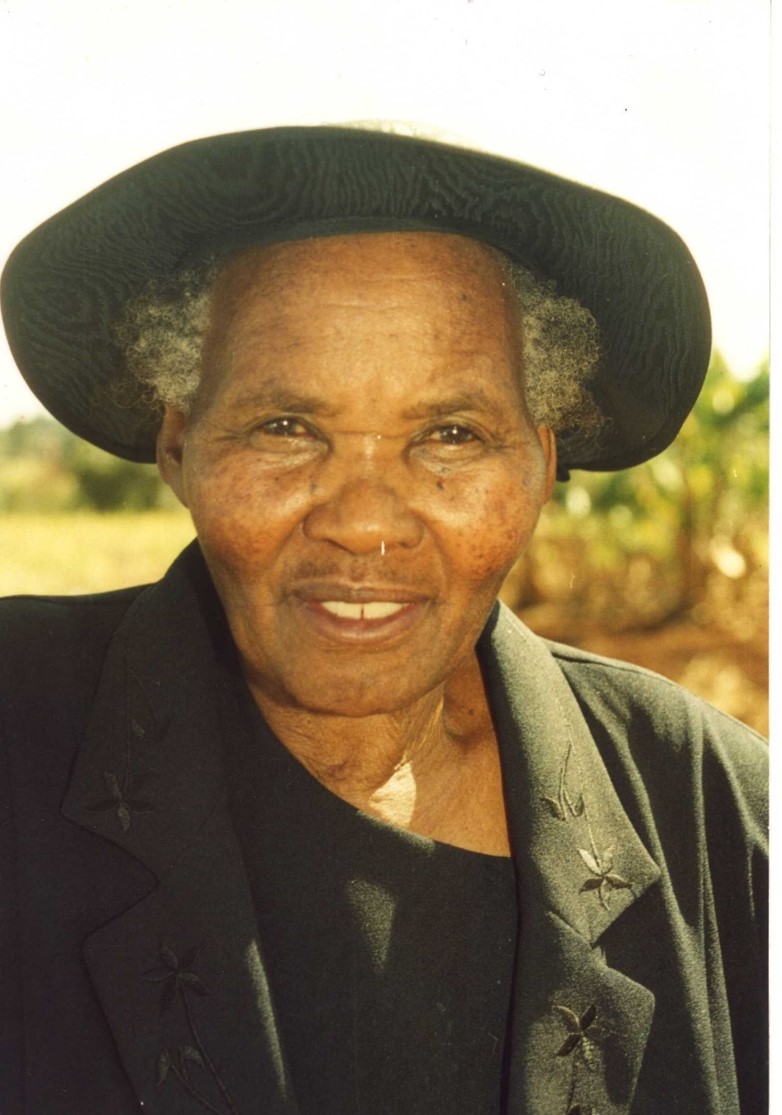
Priscilla Karira Maina
The first lay reader in the church
was Morris Kinyanjui Ndenderu, together with Charles Kariithi Muthuma, who also
conducted catechism and Sunday school classes. Later on, Daniel Wagacha Gichuru
and Bedan Mbugua Ng’ang’a took over the teaching of Sunday school children that
gradually led to the formation of Kenya Anglican Youth Organization (KAYO). The
Mothers Union chapter had earlier been formed. The late Erastus Mbugua Muthuma was tasked with visiting schools like CCM Morrison, todays’
Nyanjega Primary school to talk to the students and many enrolled
for baptism classes.
Ironically, even Munyinyi
Igogo was later baptized Andrew perhaps due to the influence of three of
his sons namely, Morris Nduranu, John Igogo and David Igogo who were elders at
the church.
At that time, Mrs. Sarah Ndara
was multitasking as the secretary
to the church council, secretary of the mothers’
union, a primary
school teacher and a wife and
mother of small children. “Sometimes, I wonder how I managed
all this, but with
God, all things are possible. I’m also eternally appreciative to my husband for
allowing me to serve God and humanity in those capacities.” Because of the
shortage of priests, most duties in church at that time, were undertaken by
church elders. We must give credit to these men and women, who sacrificed their time and resources to lay a very strong foundation of the
church. Mrs. Ndara observed.
The same elders were not tired and after moving,
the church started
working on plans to move the primary school.
It was not easy because
Education officials at Kiambu District insisted on a separate
register from the one maintained at Karura Primary School.
While other parents
and students preferred
to continue learning at Karura. Eventually their efforts paid off and Ndenderu primary
school opened in 1964.
Growth, however, is not always a smooth and uninterrupted process. In
1973, the construction of the Ndenderu-Dagoretti road claimed a portion of the
church's land. But resilience, like sunlight, nourishes growth. The church,
compensated for the land, saw an opportunity. Reaching out to the area council
and the Ndenderu Primary School committee, they secured a new plot, a testament
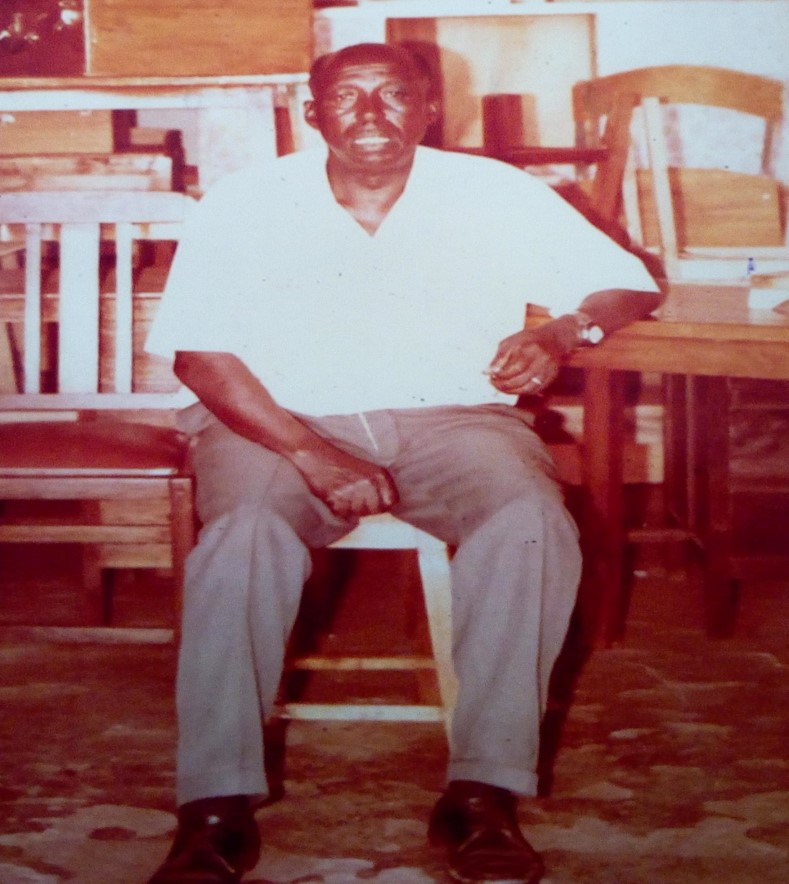
to their unwavering faith and desire for a permanent home. When clearance was granted, a building committee
was put in place chaired
by the late Humphrey Gakumo Thuku. Other committee members were Daniel
Wagacha, Mwalimu Hannah W. Kimani, Charles Kariithi, Morris K. Ndenderu, Morris
Nduranu Munyinyi, Samuel Githenya Kinuthia, John Igogo Munyinyi, and David
Igogo Munyinyi.
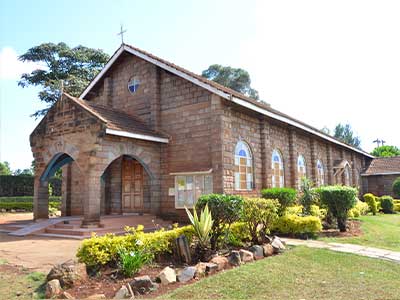
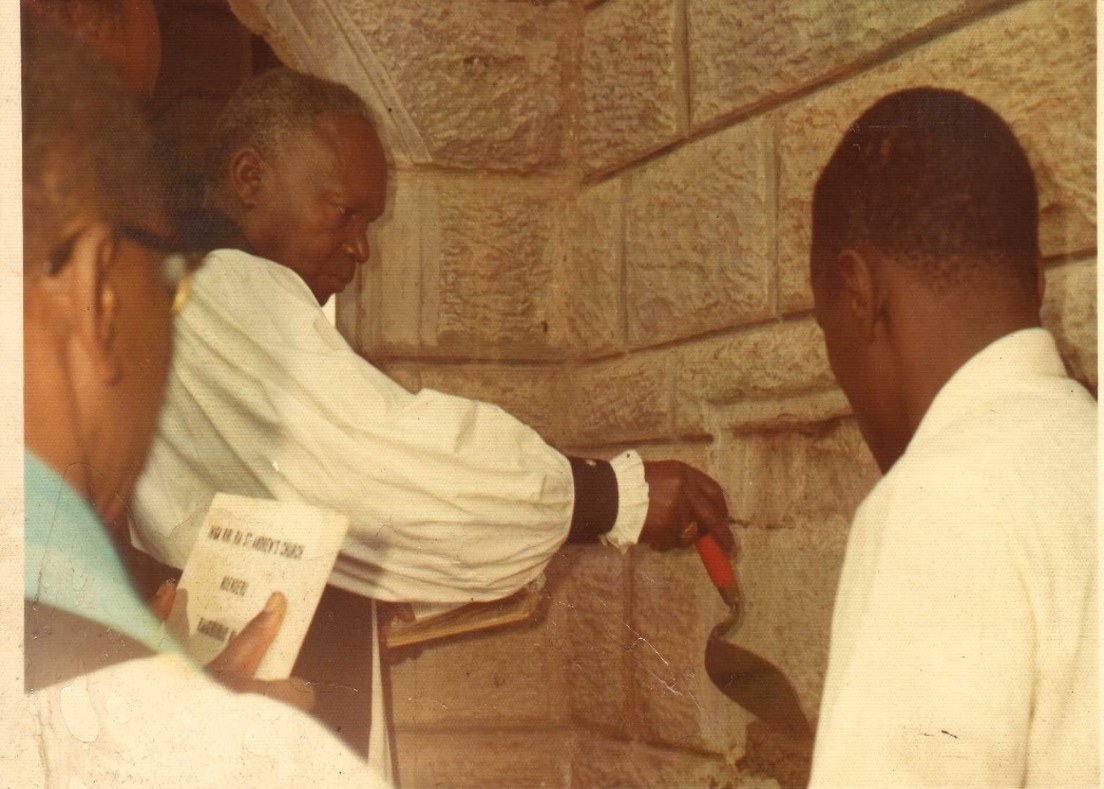
The year 1974 marked a turning point. Construction of a permanent church
began, the foundation stone laid by the late Ass. Bishop Rt. Rev. Esborn
Ngaruiya. Mr. Samuel Githenya oversaw the project, his dedication echoing the
commitment of the growing congregation. Two years later, in 1976, the church
was consecrated by the late Rt. Rev. Obadiah Kariuki,
a milestone witnessed
by a congregation that had blossomed to 150 members,
their offering a reflection of their devotion.
Giving
THE HISTORY OF BIBLICAL CONCEPT OF PILLARS DONATION March 12th, 2025
Doing Good
Acquiring a settled Mindset to do Good September 11th, 2024